
Blog
August 4, 2026
Why Repowering Has Become a Major Growth Market


TLDR
- Solar repowering is one of the fastest-growing opportunities in residential solar as millions of aging systems require upgrades and modernization.
- Homeowner expectations have evolved, driving demand for battery storage, advanced monitoring, inverter replacements, and system expansions.
- Repowering creates recurring business opportunities by helping homeowners improve existing solar systems instead of replacing them entirely.
- Tigo's flexible ecosystem enables installers to modernize aging solar systems with optimization, monitoring, inverters, battery storage, and scalable repowering solutions.
The Next Wave of Solar Growth Is Already Installed
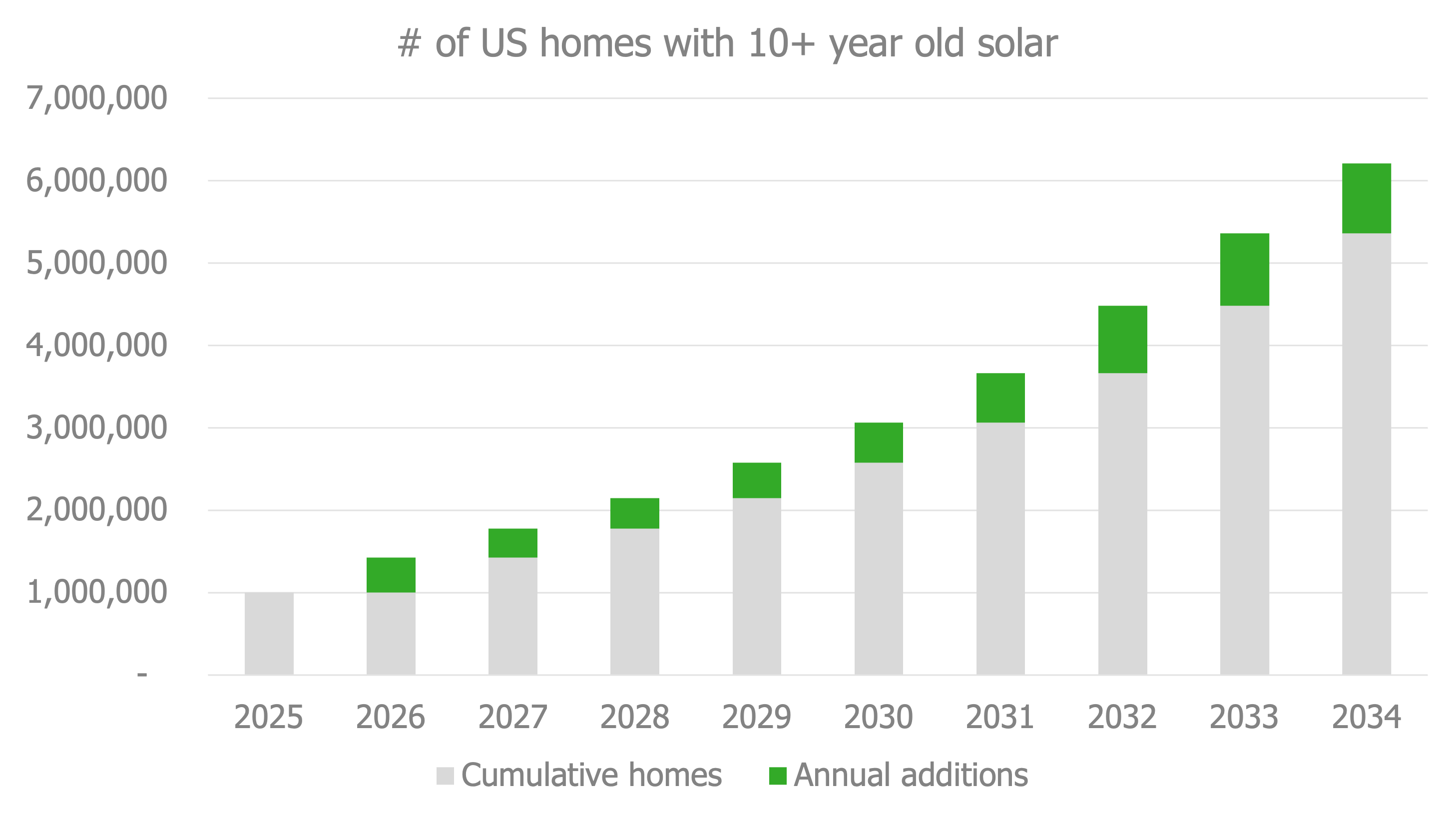
For nearly two decades, the solar industry has focused on one goal: installing new systems. That wave of growth transformed the residential market and put millions of solar arrays on rooftops across the country.
Today, the industry is entering its next phase.
Instead of asking, "Where will the next installation come from?" more installers are asking, "How can we help homeowners get more value from the systems they already own?"
That shift is driving the rapid growth of solar repowering—the process of upgrading, modernizing, or expanding an existing solar system to improve performance, increase reliability, or add new capabilities.
For installers, repowering isn't replacing the new installation market. It's creating an entirely new business opportunity alongside it.
Aging Systems Are Creating New Demand
The first generation of residential solar systems is now reaching an age where many supporting components require attention.
While solar modules are designed to produce energy for decades, other system components—including inverters, monitoring equipment, rapid shutdown devices, and electrical balance-of-system components—often have shorter service lives or no longer meet today's homeowner expectations.
As these systems mature, homeowners increasingly need:
- Inverter replacements
- Monitoring upgrades
- Performance optimization
- Safety improvements
- Troubleshooting and repairs
- Battery integration
- System expansions
Each of these needs represents a potential solar repowering opportunity.
For installers, this creates a growing market that already exists—millions of systems that will eventually require upgrades, service, or modernization.
Homeowners Want More Than They Did Ten Years Ago
The average homeowner who installed solar a decade ago had very different priorities than today's homeowner.
Battery storage was uncommon.
Whole-home backup was rare.
Module-level monitoring was limited.
Energy management was still evolving.
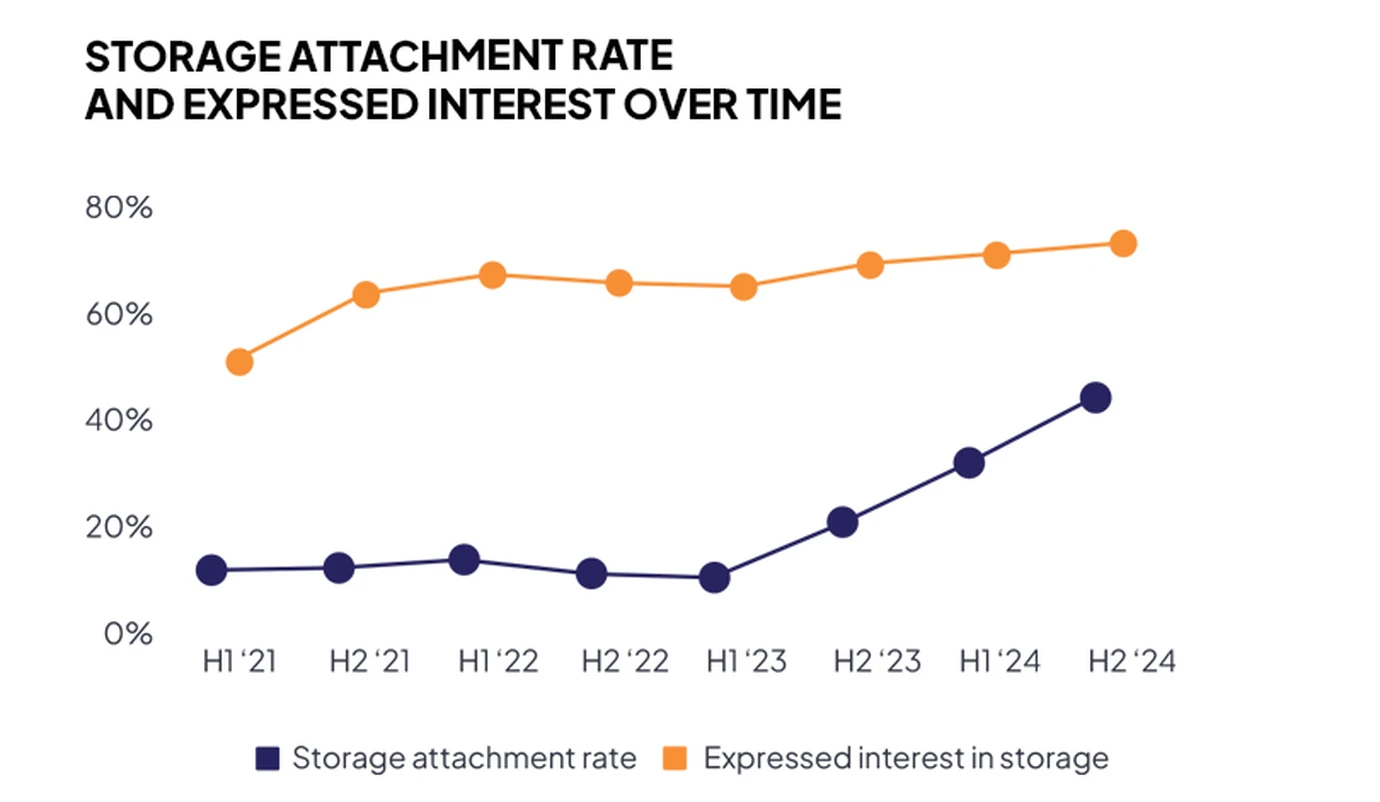
Today, homeowners expect much more from their investment.
Many are looking to:
- Add battery storage
- Improve system visibility through module-level monitoring
- Increase energy independence
- Restore lost production
- Prepare for EV charging
- Expand their systems as energy needs grow
In many cases, replacing the entire solar system isn't necessary. A well-planned repowering strategy allows homeowners to modernize what they already own while protecting their original investment.

The Industry Has Changed
The systems aren't the only things getting older.
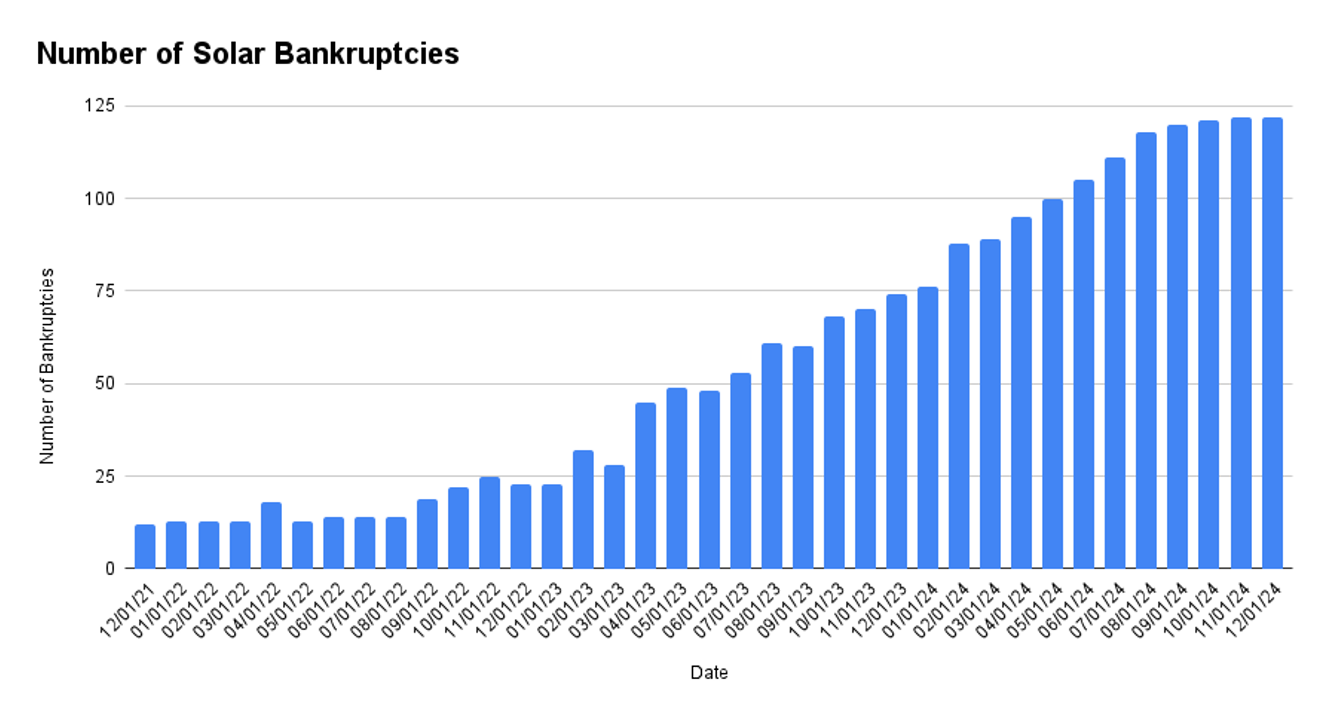
The solar industry has changed dramatically over the last decade.
Many installation companies have merged, shifted business models, or exited the market entirely – for multiple reasons. As a result, homeowners are increasingly searching for qualified professionals who can service systems originally installed by someone else.
At the same time, changing utility programs, evolving electrical codes, and growing interest in battery storage have made upgrading existing systems more attractive than ever.
For installers, this creates an opportunity to become the trusted long-term service partner—not just the company that installs a system once.
Why This Represents a Business Opportunity
Unlike new construction, repowering doesn't always begin with a blank slate.
The customer already owns a solar system.
They already understand the value of solar.
They've already made the initial investment.
What they need is a trusted expert to help them improve, modernize, or expand that investment.
For many installers, the next decade of growth won't come solely from finding new customers. It will come from serving the growing number of homeowners whose systems are ready for their next chapter.
Repowering transforms existing rooftops into recurring business opportunities through upgrades, service, monitoring, batteries, inverter replacements, and future system enhancements.
Why Tigo Is Built for Repowering
Every repowering project is different. Some homeowners need to replace an aging inverter. Others want to add battery storage. Some need better monitoring, while others want to optimize production or improve safety without replacing equipment that still works.
That's why Tigo approaches repowering as an ecosystem rather than a single product.
Depending on the project's goals, installers can:
- Modernize aging systems without replacing the entire array
- Add module-level optimization where it's needed
- Upgrade monitoring and system visibility
- Replace aging inverter technology with the Tigo EI Residential Solar Solution
- Integrate battery storage as homeowner needs evolve
- Improve safety while preparing the system for future expansion
This flexible approach allows installers to recommend the right solution for each homeowner instead of forcing a one-size-fits-all replacement.
For homeowners, that often means protecting more of their original investment.
For installers, it means creating more opportunities to deliver value while building long-term customer relationships.
Chapter Takeaway
Solar repowering is no longer a niche service. It's becoming a core part of the residential solar lifecycle.
Aging systems, changing homeowner expectations, battery adoption, and an expanding installed base are creating sustained demand for upgrades and modernization. Installers who develop a repowering strategy today will be better positioned to serve tomorrow's homeowners.
With flexible solutions for optimization, monitoring, inverters, battery storage, and system modernization, Tigo helps installers turn that market opportunity into a repeatable, profitable business.
Continue Reading
Now that we've established why repowering has become one of the fastest-growing opportunities in residential solar, the next question is:
How do installers turn that opportunity into a profitable line of business?
Next Chapter 3 → Building a Profitable Repowering Business
--
Below is a full list of chapters included in this series:
- Summary: The Solar Repowering Opportunity
- Why Repowering Has Become a Major Growth Market
- Building a Profitable Solar Repowering Business
- How to Package and Sell Solar Repowering Services
- Finding Solar Repowering Customers
- Launching Your Repowering Business in 90 Days
- Building a Sustainable Solar Repowering Business
- Resources and Glossary of Repowering Terms
