Example Installation
718kW commercial rooftop gets unexpected benefits from full module-level optimization


Commissioned in November 2022, AEPS Electric designed and installed this high performing 718 kW DC rooftop solar system in Closter, New Jersey, where a manufacturing facility operates their business. The system is owned by Cherry Tree Group, a renewable energy investment advisory firm and the energy is sold to the facility tenant at a discount off utility prices. The project enabled the manufacturing company to lock in predictable energy rates without upfront capital costs, while investors benefit from stable, long-term returns through the power purchase agreement model. It exemplifies a win-win model—delivering sustainable energy savings for the facility and robust returns for investors.
AEPS Electric faced multiple design and code-compliance hurdles:
“I worry about reliability and future inverter compatibility when adding module-level power electronics to a project. Tigo is inverter-agnostic and their wireless communication solutions are proven reliable.” said Dan Lichtman, Owner at AEPS Electric.
AEPS Electric selected Tigo TS4-A-O optimizers, paired with two Tigo CCA units to manage wireless communication and monitoring via the Tigo Energy Intelligence (EI) platform. In addition to minimizing the impacts of potential shade and soiling, Tigo optimizers also feature module-level monitoring and rapid shutdown capabilities. The Tigo EI platform provides AEPS Electric and Cherry Tree Group full visibility into system performance, facilitating predictive maintenance and simplified asset reporting.
The setup ensured:
Since commissioning, the 718 kW system has produced 2,160 MWh of clean electricity, including 68MWh of Reclaimed Energy enabled by Tigo optimizers as of October 2025. Over the 25-year life of the project, the value of Reclaimed Energy is approximately $240k at New Jersey commercial electricity rates.
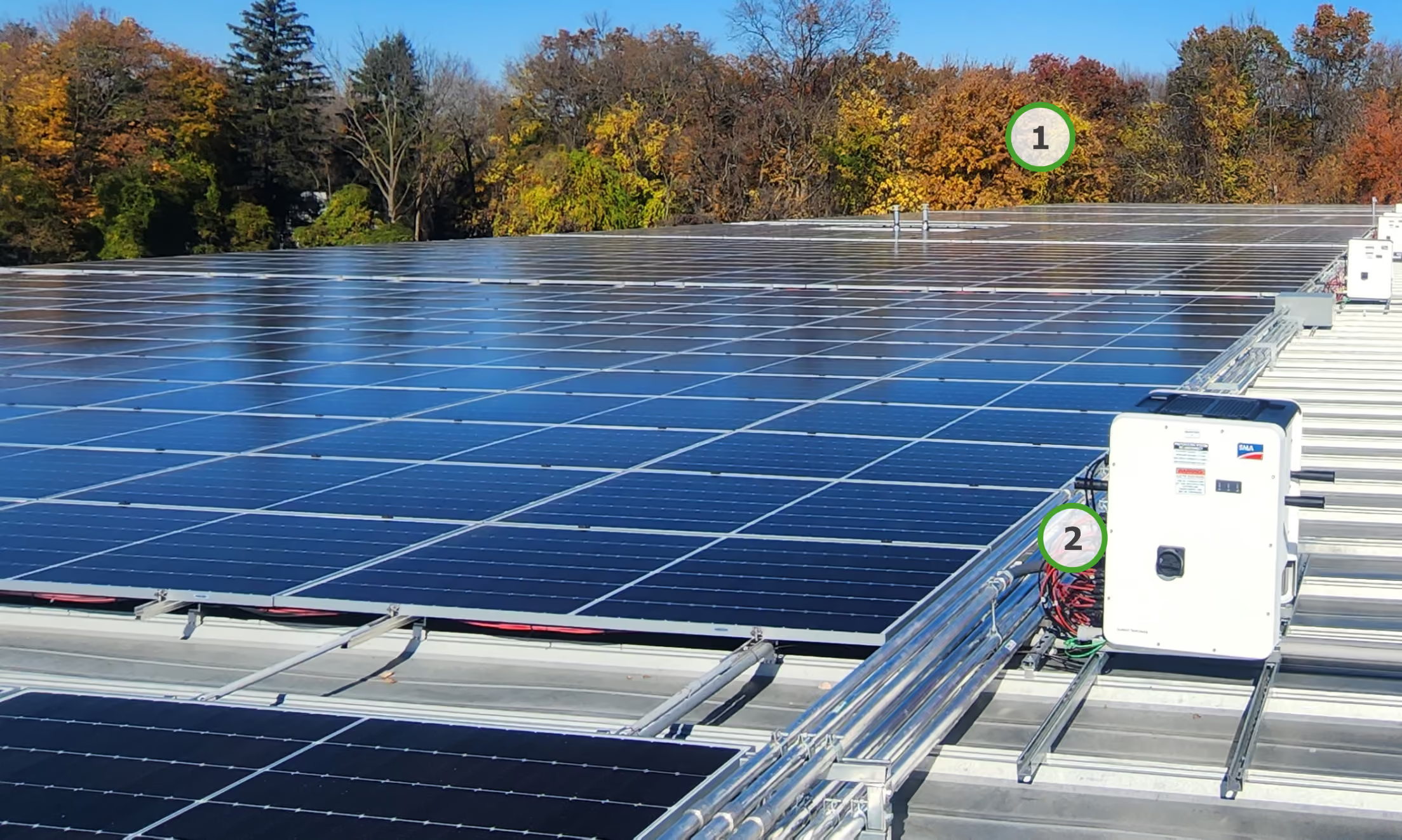
The wide open rooftop would seem to have minimal impact from shade, however Tigo module-level data indicates there are two sources of it (highlighted in Figure 1):
The impacts of the two sources of shade can be observed by Tigo Reclaimed Energy data, with Figure 2 showing the additional power enabled by Tigo optimizers at around 9am on July 16. The lighter the green, the more power enabled. And it coincides with 1) trees on one side of the building and 2) multiple rows of modules next to the rooftop inverters.
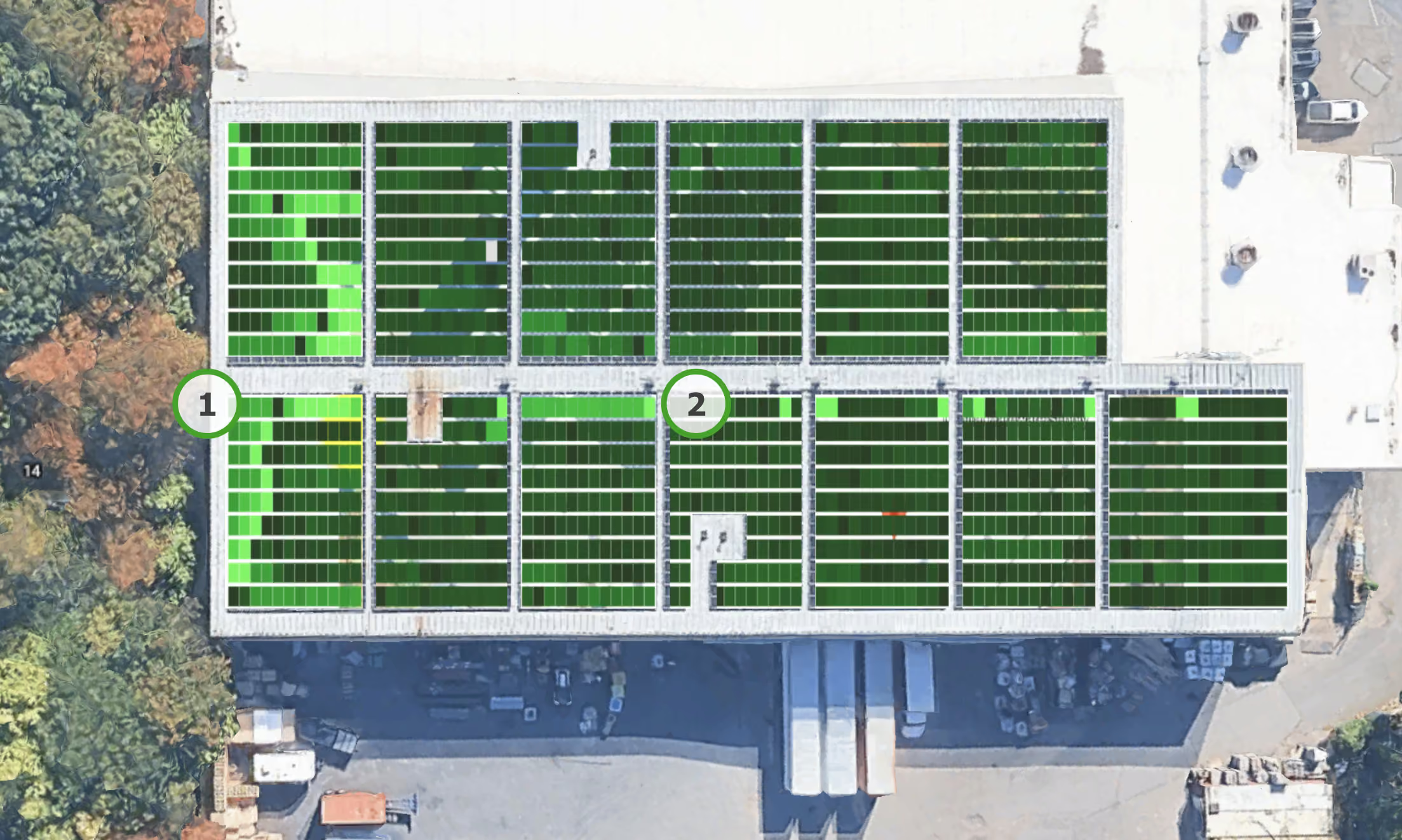
Figure 3 shows the daily energy production of each module in one of the arrays next to the trees. It’s clear the modules closes to the trees produced less - averaging approximately 1.5kWh daily production vs. 1.9kWh daily production for the modules on the far side of the array. The disparity would have been even larger if not for Tigo optimizers enabling maximum power point tracking at each module.
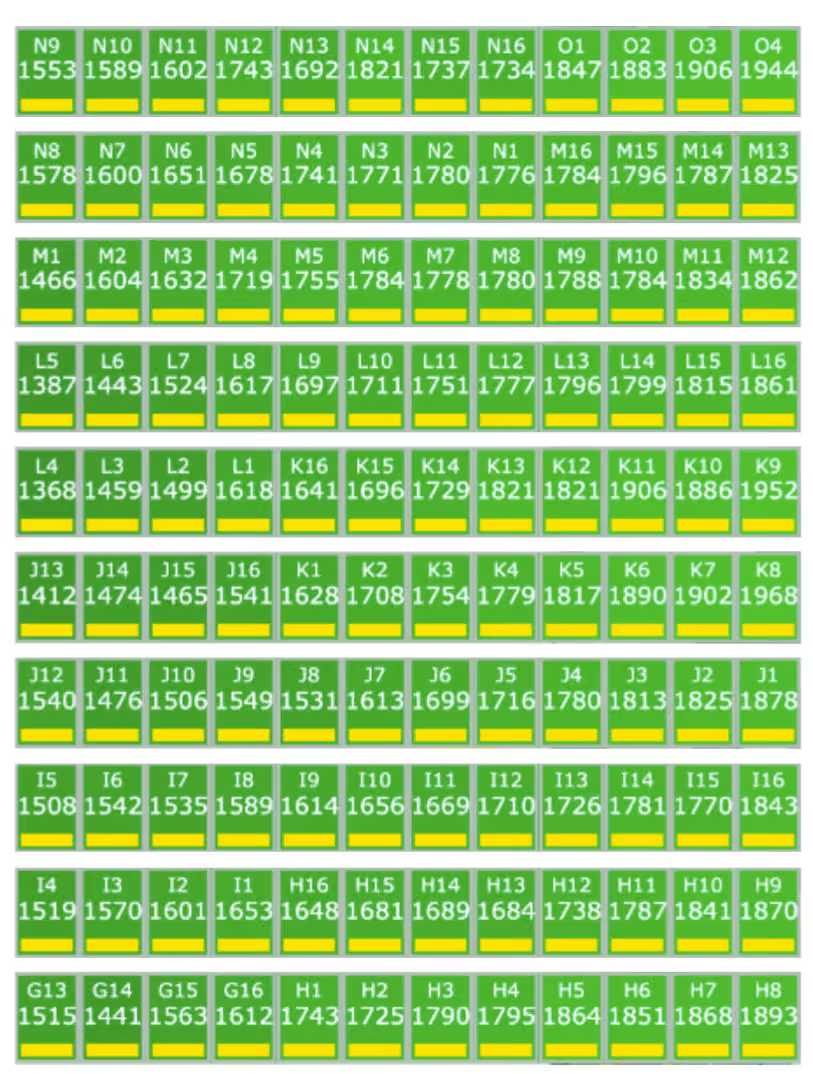
In addition to the increased energy enabled by Tigo optimizers, AEPS Electric leverages the module-level monitoring shown in the pictures to maximize uptime and minimize any downtime. Ultimately, the manufacturing facility owner benefits form reduced utility bills and a smaller carbon footprint.
The lifetime benefits in this case study were performed using the Tigo Optimization Benefits Calculator. It's fully customizable for any range of projects, languages, and currencies.


